Native Bees
There are over 2,000 native bee species
in Australia.
Most live alone, don't make honey, and look nothing like a honeybee.
Let's meet some of them
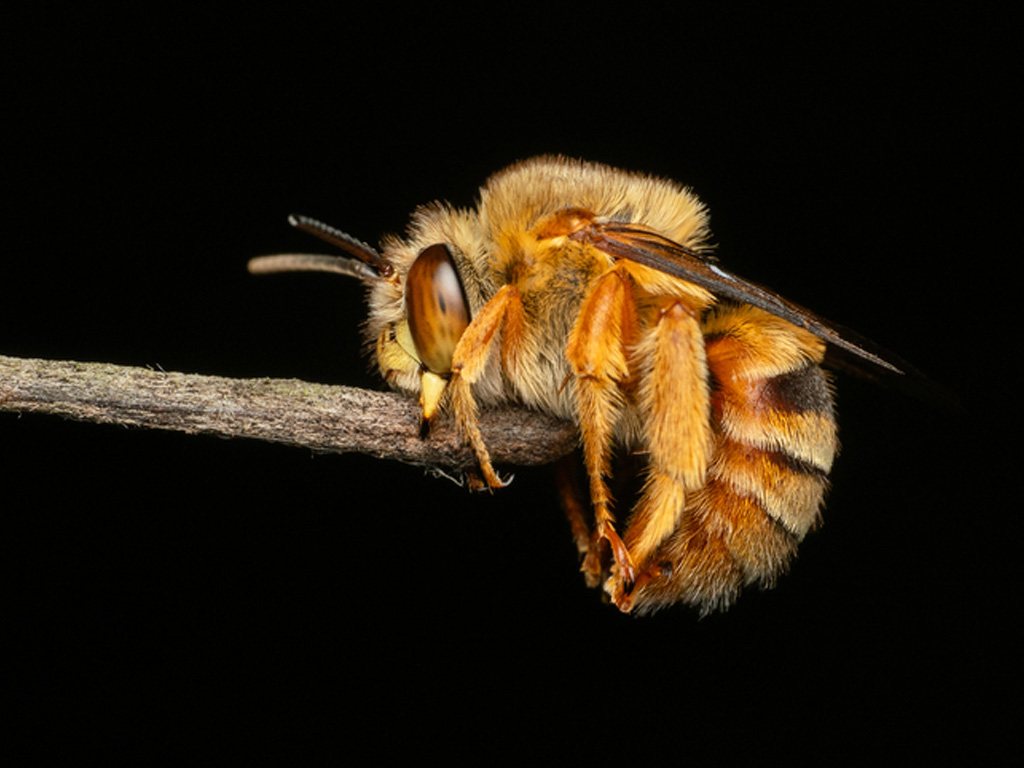
This one looks like a flying furball. The thick orange fur isn't just cute — it helps trap and carry pollen between flowers.
Photo: austenarmstrong on iNaturalist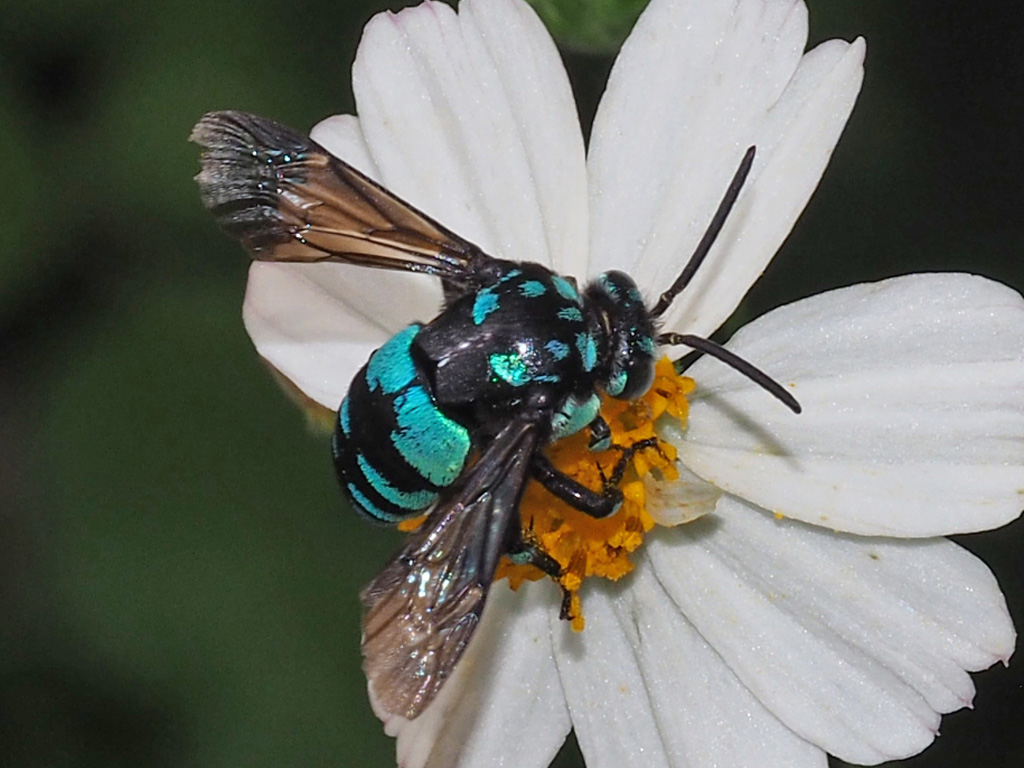
This bee sneaks into other bees' nests and lays its own eggs there. The host bee raises the cuckoo's babies without knowing!
Photo: lroganentsocvic on iNaturalist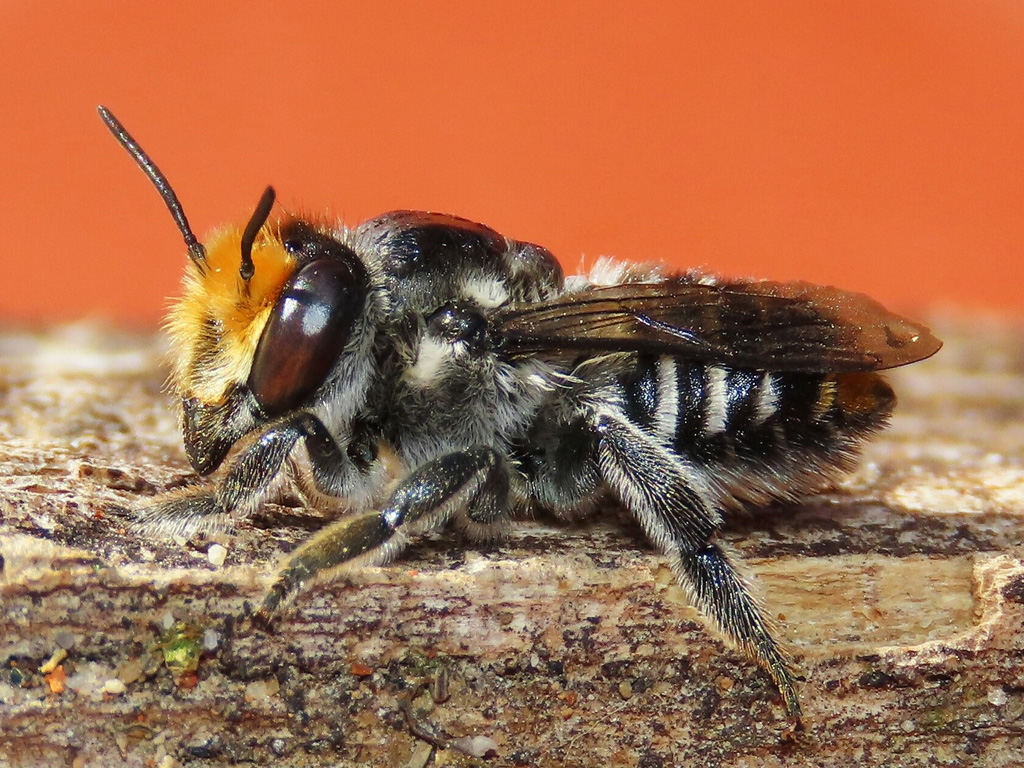
This bee snips perfect circles from leaves with its jaws and rolls them into tiny leaf burritos to wrap its eggs in. If you see neat round holes in your garden leaves, a leafcutter has been busy.
Photo: debtaylor142 on iNaturalist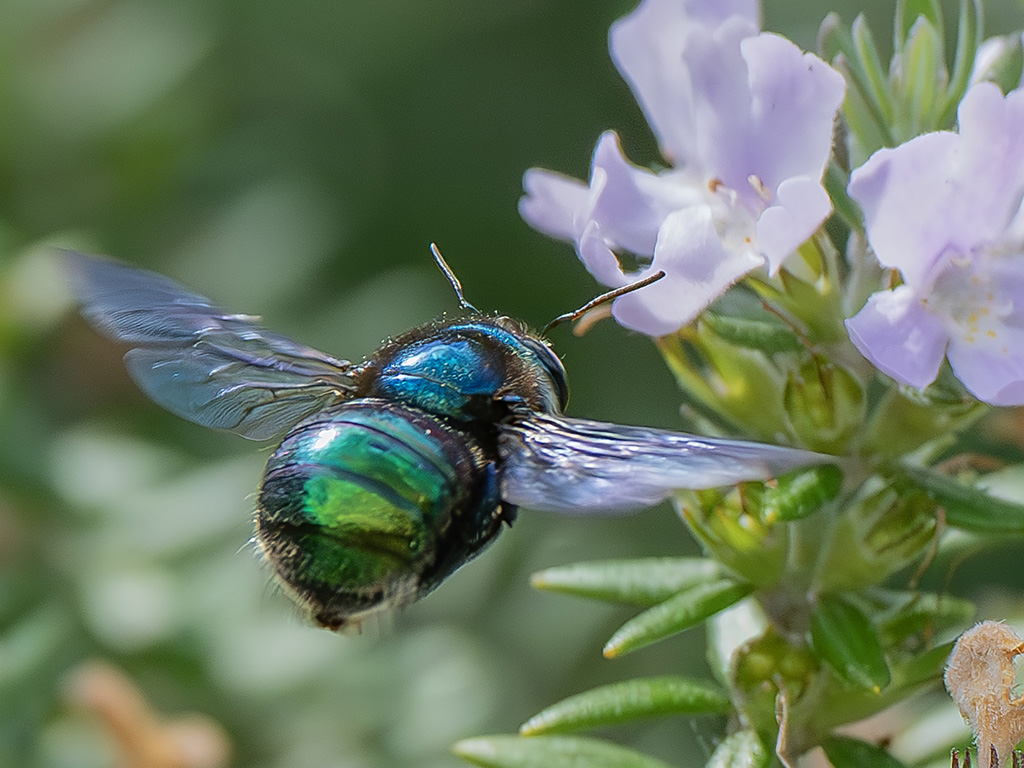
One of Australia's most spectacular bees — its body shimmers like a tiny piece of green metal. It bores neat tunnels into soft wood to build its nest.
Photo: drickett on iNaturalist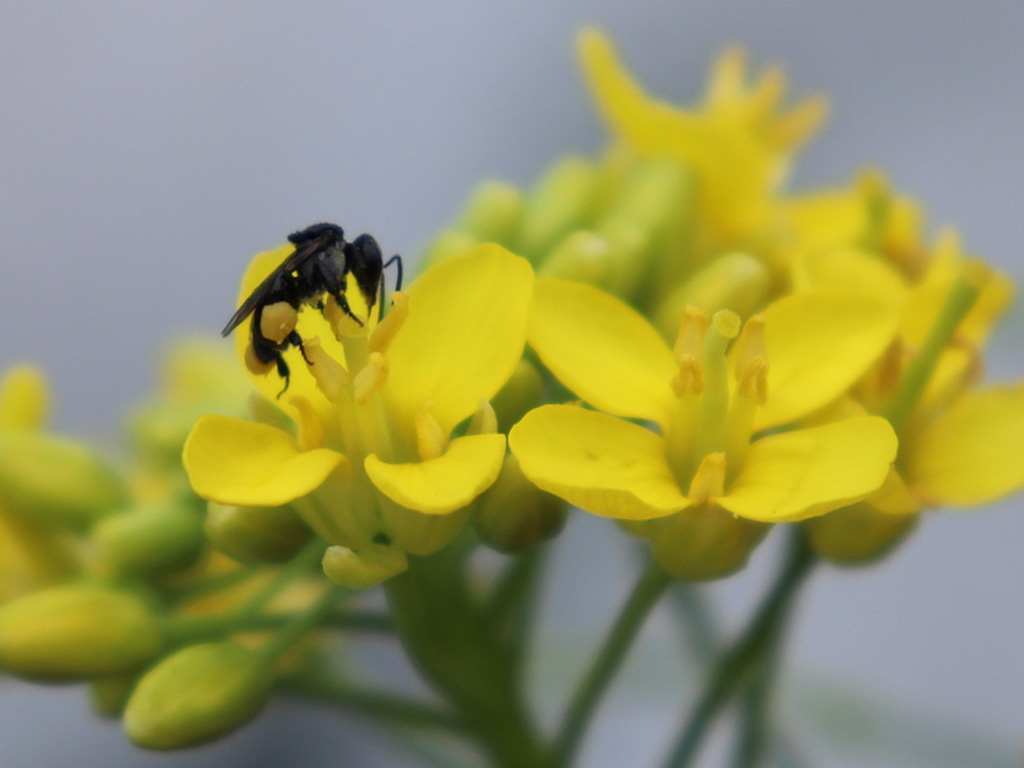
One of the few native bees that actually makes honey — and it's delicious. Indigenous Australians have harvested sugarbag honey for thousands of years.
Photo: katsinabox on iNaturalist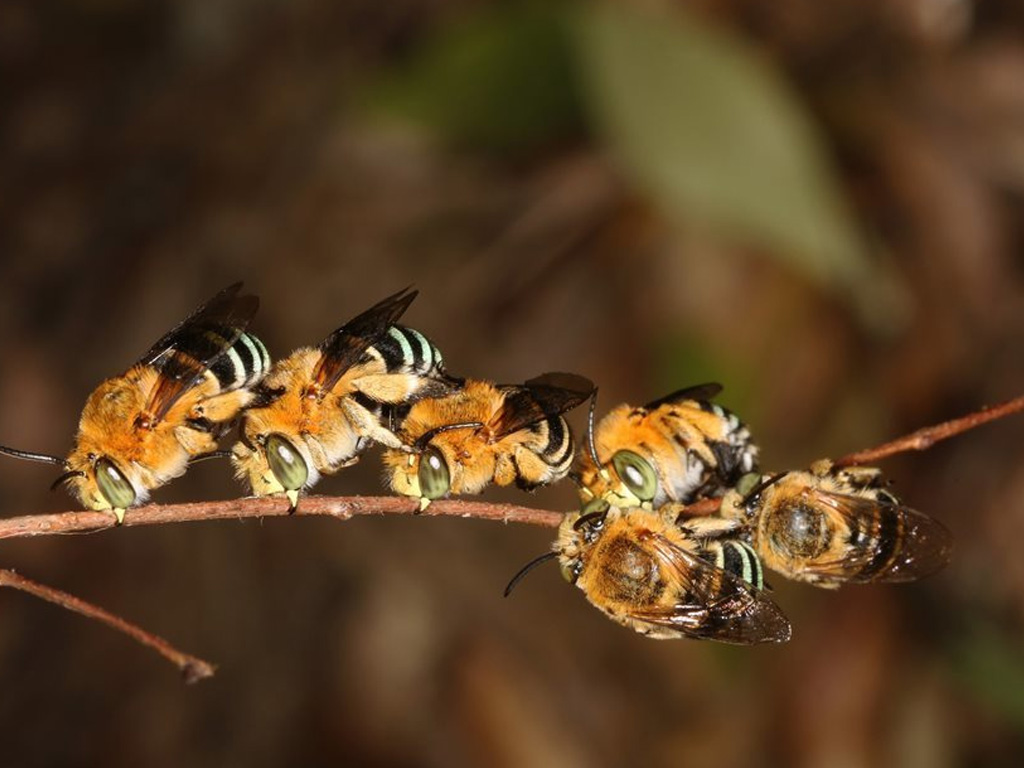
Famous for buzz-pollination — it grabs flowers and vibrates so fast (350 times per second!) that the pollen shakes right out. Tomato farmers love these bees.
Photo: jenny_thynne on iNaturalist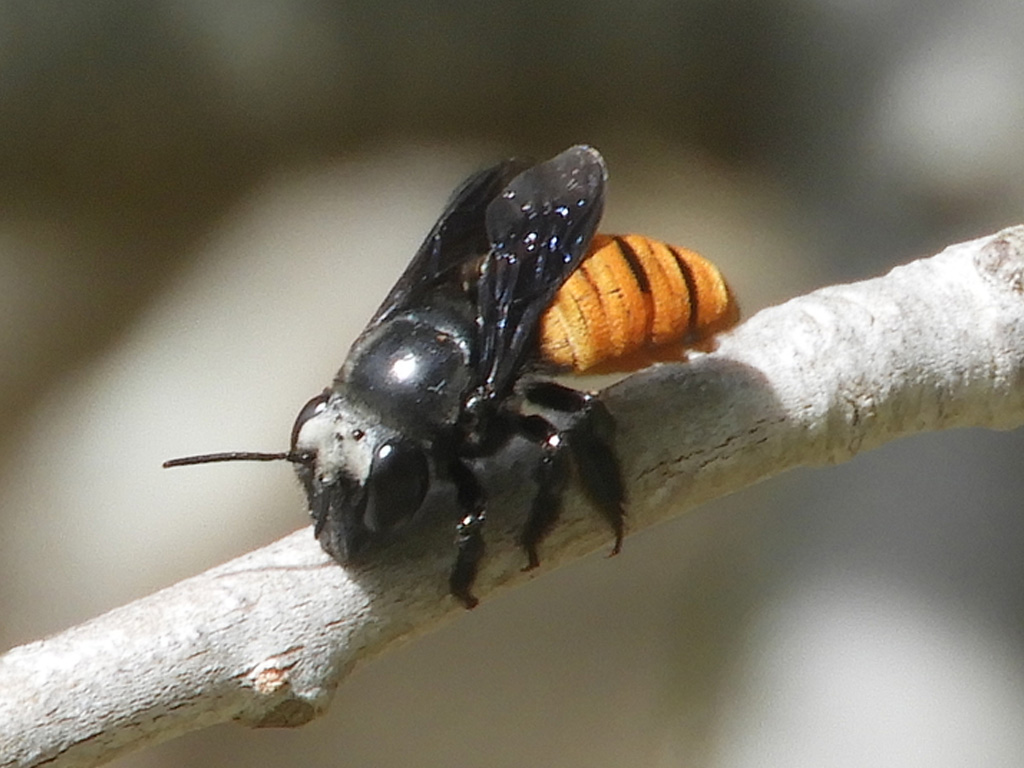
Instead of leaves or mud, resin bees collect sticky plant sap to build the walls of their nests. Some mix in sand, bark, or even flower petals to get exactly the right texture.
Photo: pennytaylor on iNaturalist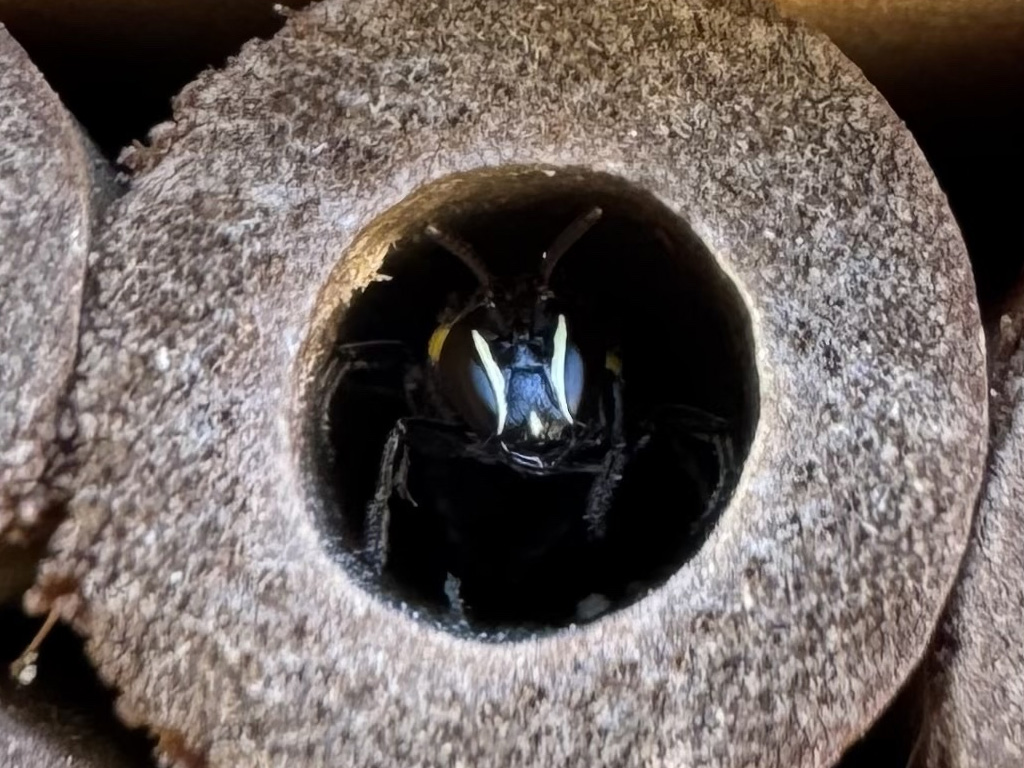
Wasp-like and nearly hairless. No fur, no pollen baskets — masked bees swallow pollen to carry it home in their stomach and regurgitate it into their nest cells.
Photo: sockrosma on iNaturalist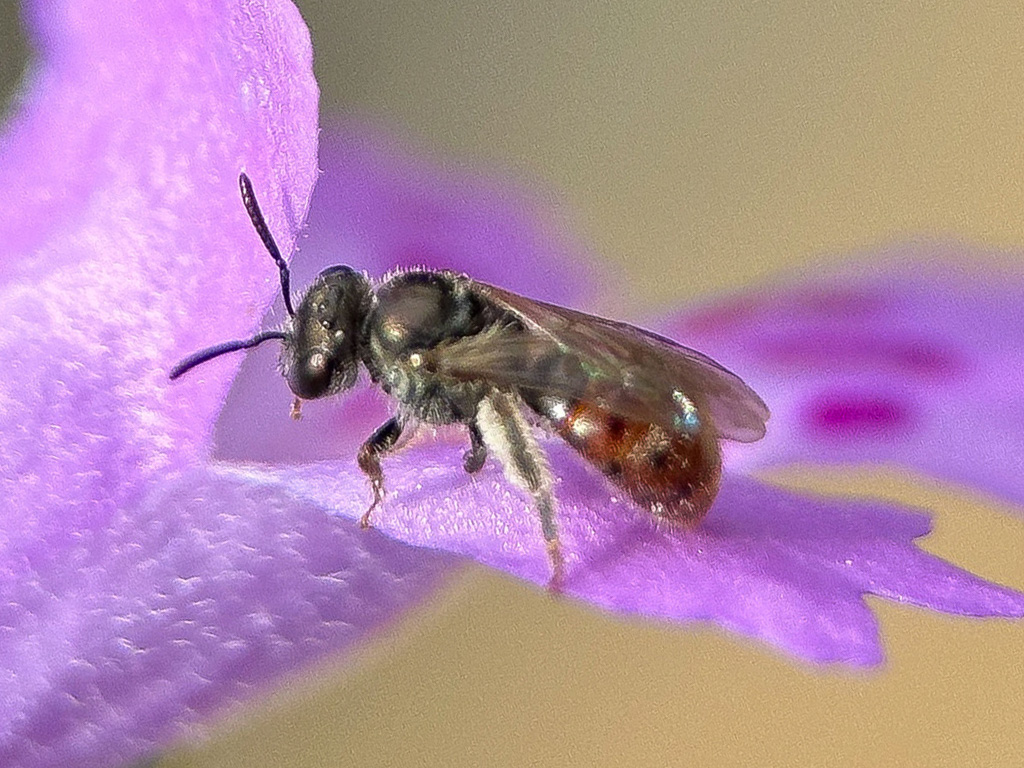
Sometimes called ‘sweat bees’ because they’re attracted to the salts in human sweat, which they collect as a mineral source.
Photo: rewildingsuburbia on iNaturalistWorkshops
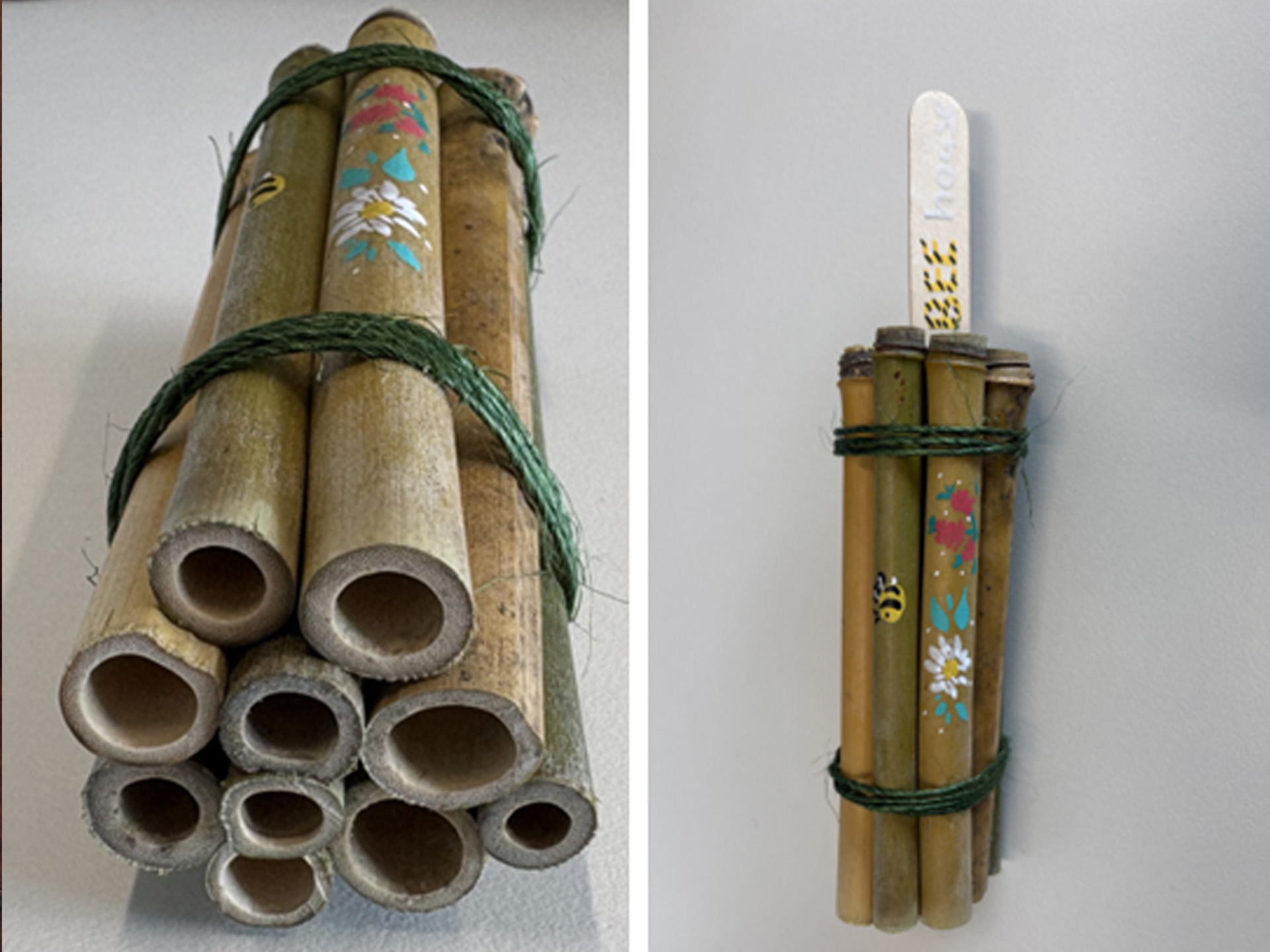
Build a bee hotel
Bundle up hollow sticks and bamboo to make a home for solitary bees. They'll move in, lay eggs, and raise their young — right in your backyard.
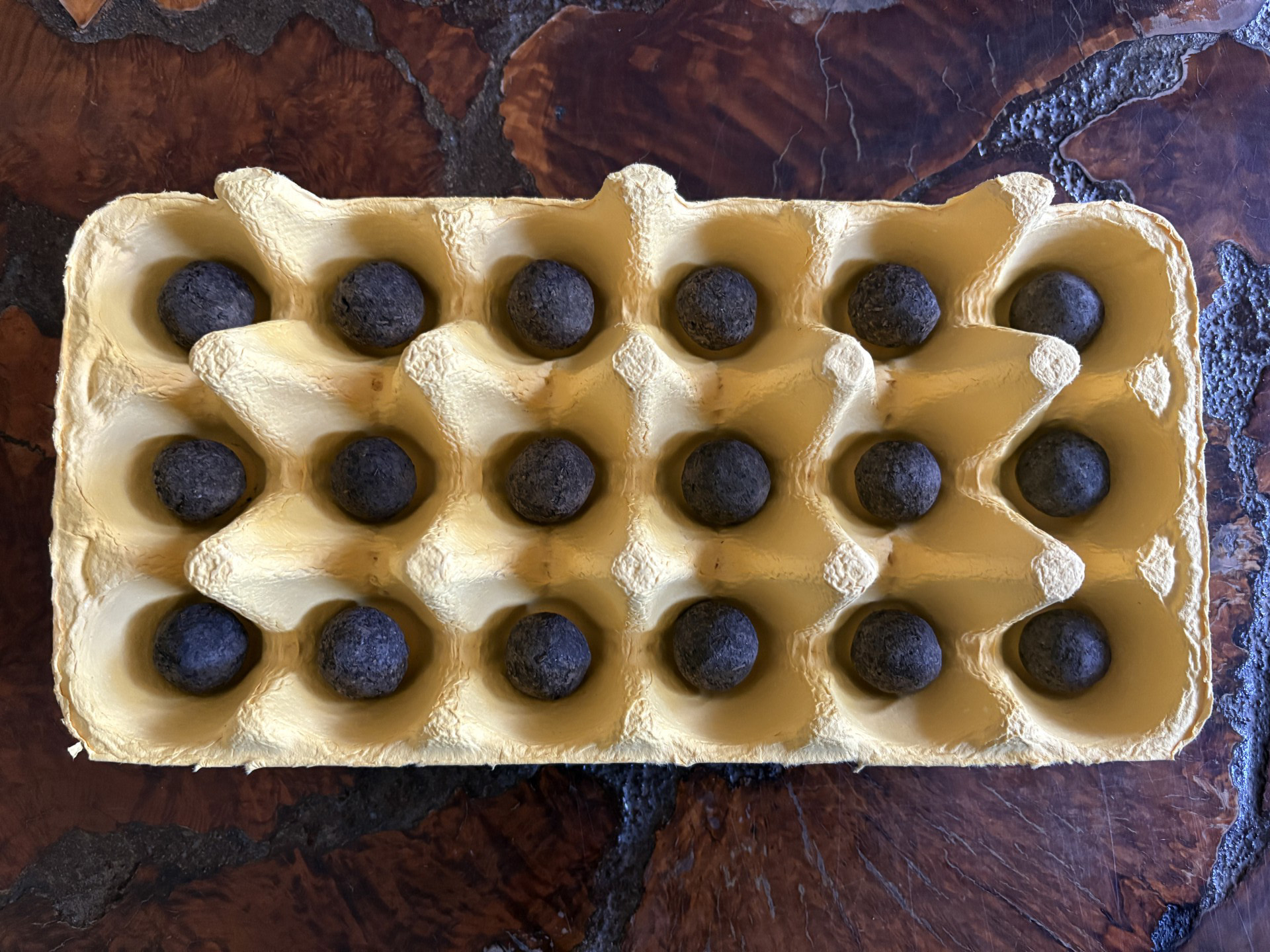
Make seed bombs
Mix clay, soil, and native flower seeds into a ball — then throw it at a patch of bare dirt. Water it and wait. A bee garden grows from a lump of mud.
How to use your workshop kit
Simple steps to get the best out of your bee hotel and seed bombs.
Bee Hotel
Setting up your hotel
Find a location like a verandah or under a tree branch that protects the hotel from rain and harsh weather.
This height keeps the hotel safe from ground predators and the eastern orientation provides gentle morning sun.
The structure shouldn't wobble or swing in the wind, as this can disturb nesting bees.
Once installed, leave it undisturbed so the bees can nest peacefully and complete their life cycle.
Seed Bomb
Planting your seed bomb
Avoid planting in established grasses so seedlings don't have to compete for space and nutrients.
Don't bury it deeply — the seeds need access to light and air to germinate properly.
Keep the soil consistently moist but not waterlogged during the germination period.
Until plants are established, try to allow soil to semi-dry between waterings to encourage deep root growth.
Seed viability decreases over time, so plant your seed bombs relatively soon after receiving them.